Discover Villa Clara
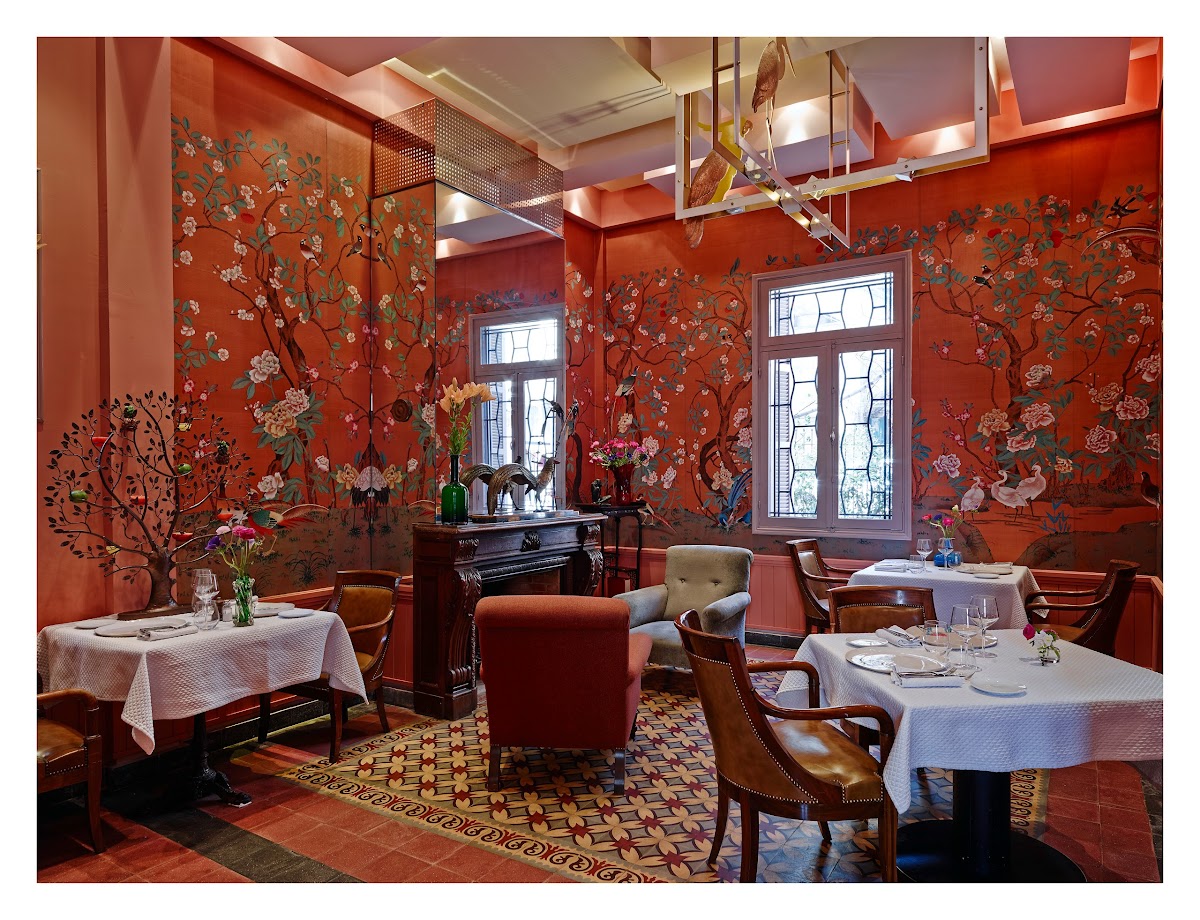
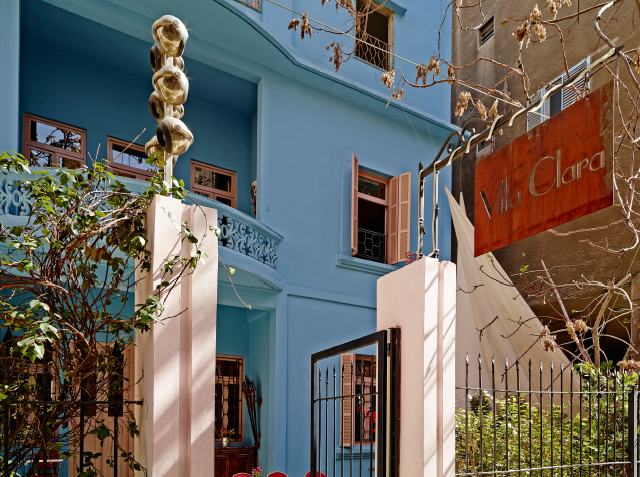
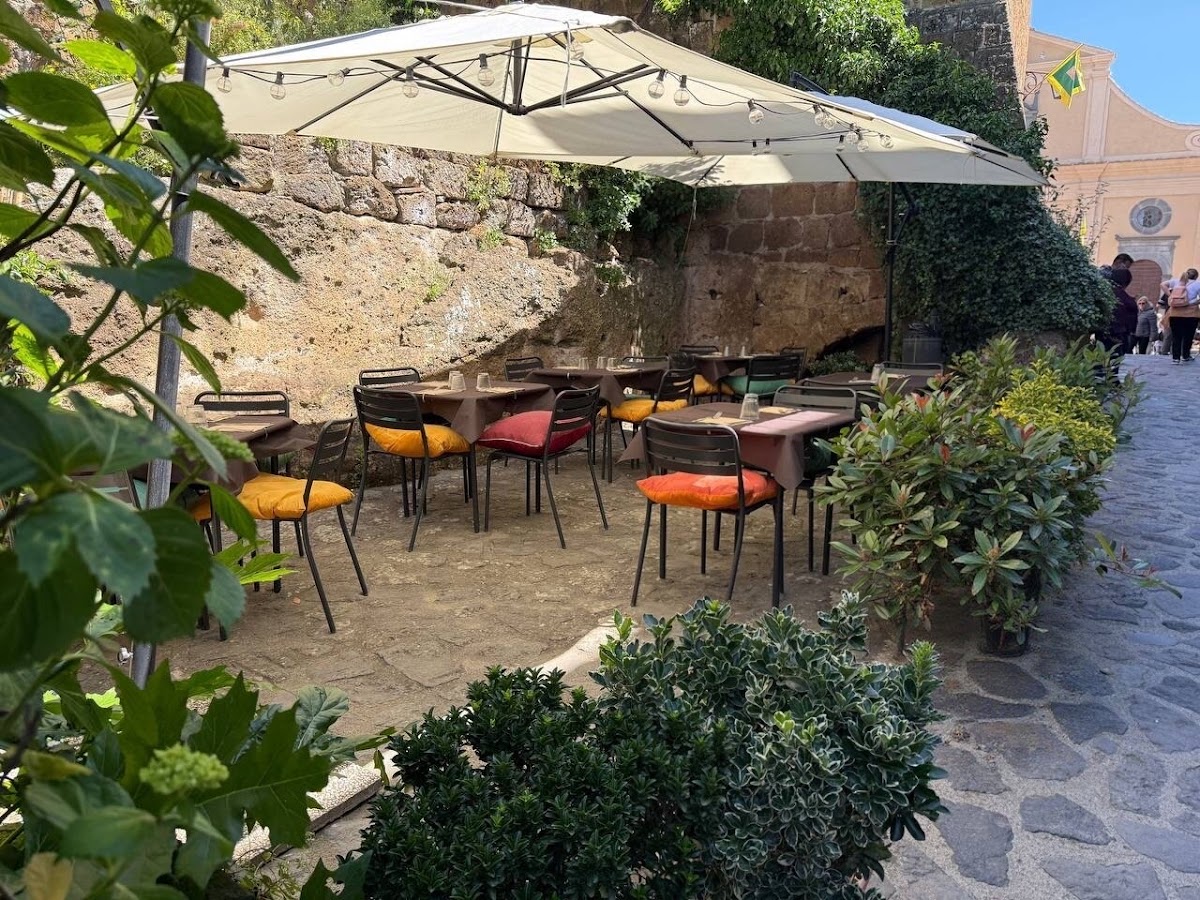
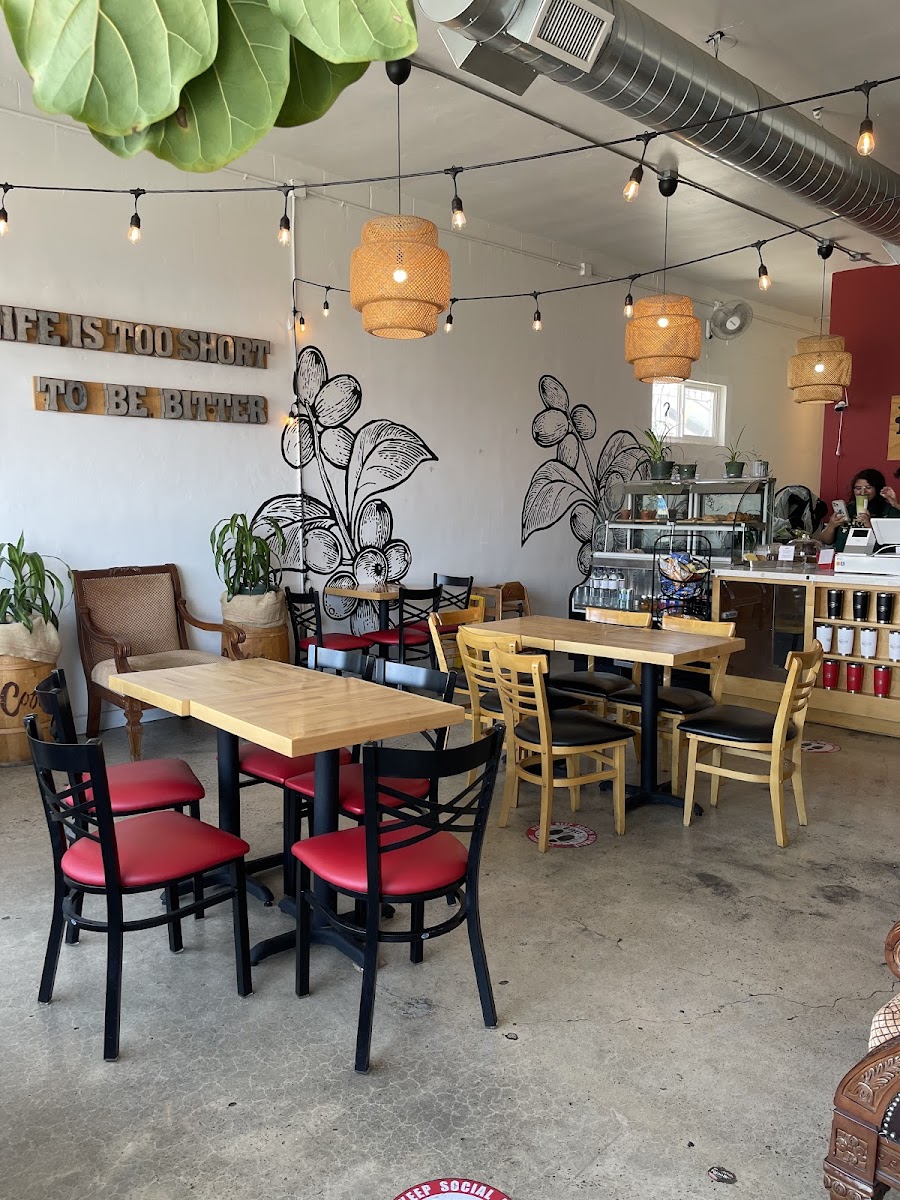
Tucked along Said Akel Street in the heart of Beirut, Villa Clara feels like a well-kept secret that locals are almost reluctant to share. I remember the first time I walked in after a long afternoon wandering through Gemmayzeh. The contrast between the lively streets of Beirut, Lebanon and the calm, refined dining room was immediate. Soft lighting, vintage tiles, and carefully arranged tables set the tone for an experience that felt intimate yet effortlessly elegant.
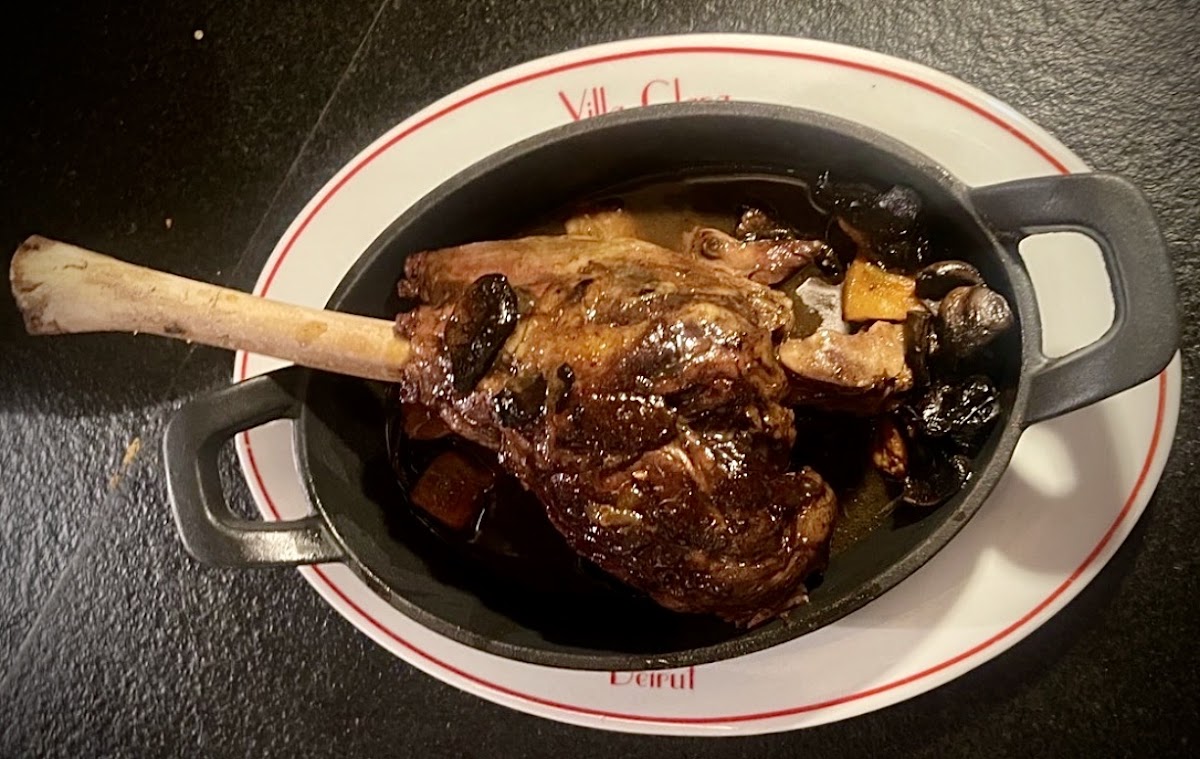
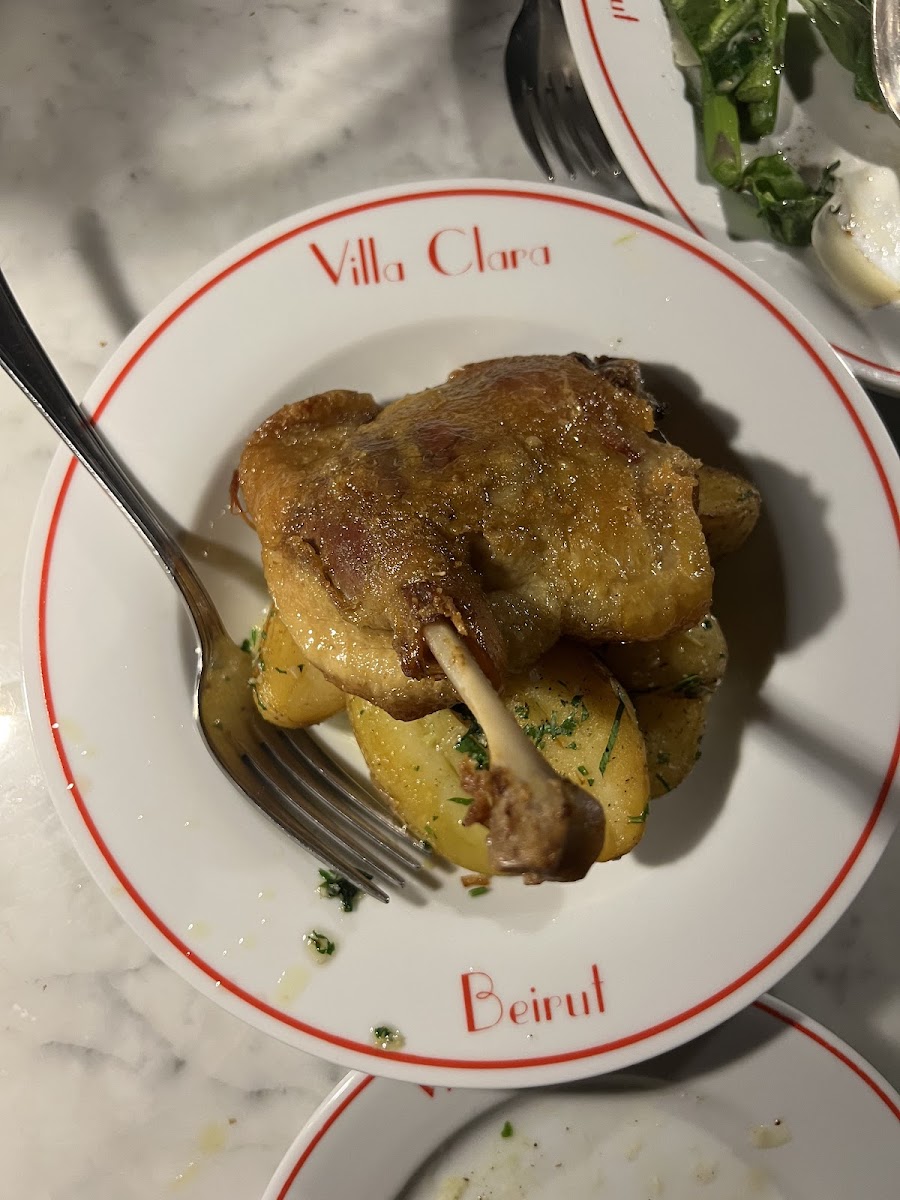
The menu reads like a thoughtful conversation between French culinary tradition and seasonal Mediterranean ingredients. During my visit, I opted for the slow-cooked duck breast paired with a silky potato purée and caramelized shallots. The technique was precise-crispy skin, tender interior, balanced seasoning. It’s the kind of dish that shows real command of temperature control and timing, two fundamentals that chefs trained in classical French kitchens treat almost like science. According to the World Association of Chefs’ Societies, proper heat management and ingredient integrity are core principles in fine dining, and you can taste that discipline here.
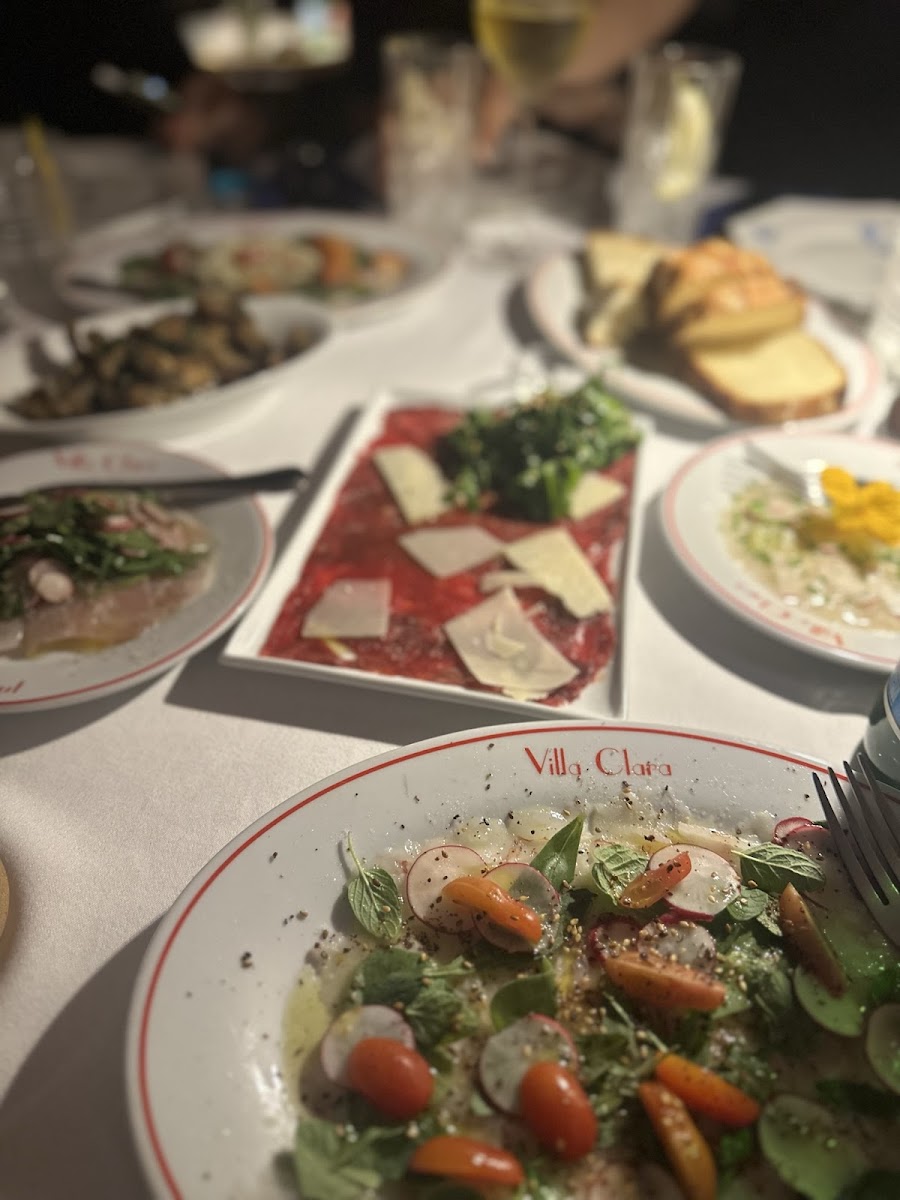
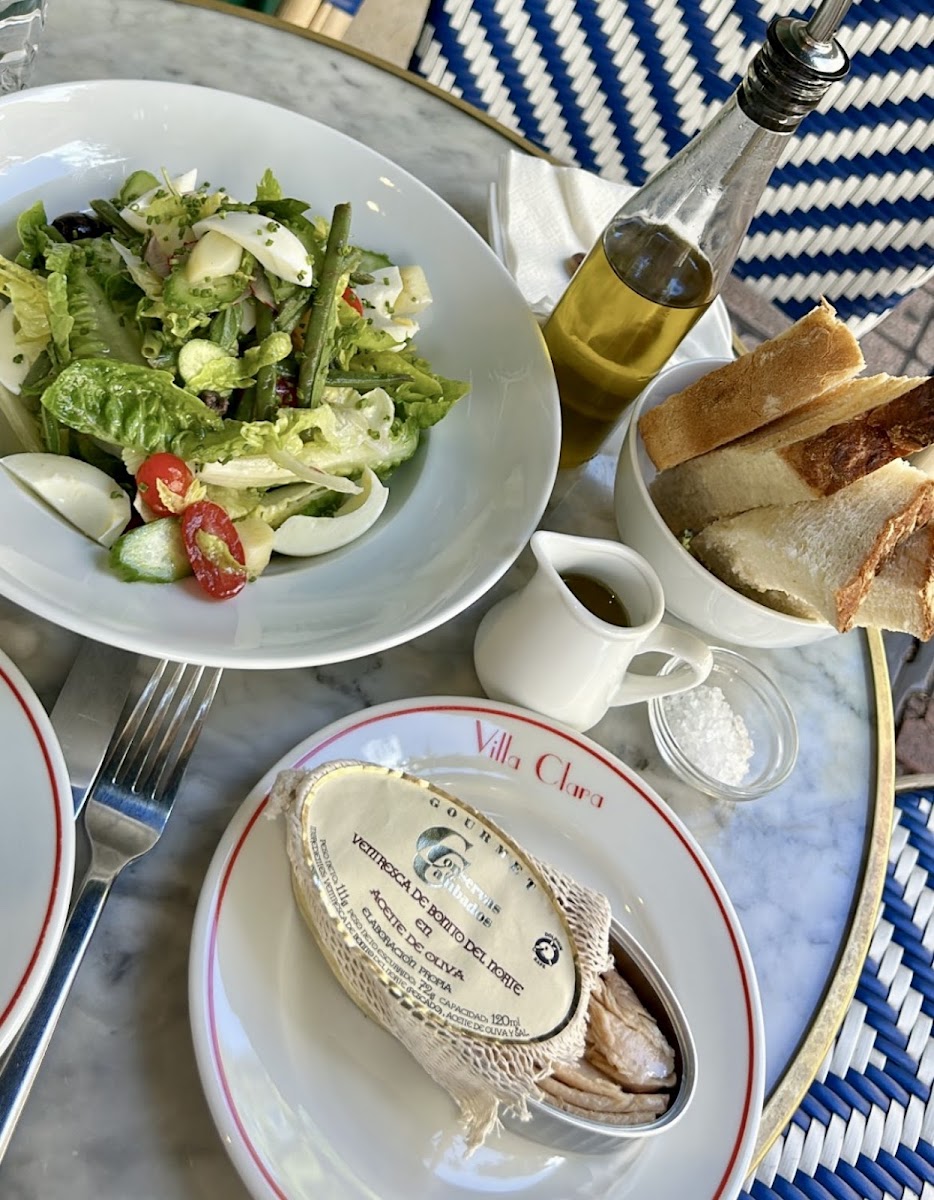
What impressed me most, however, was how the team handles sourcing. A server explained that much of the produce is locally selected, aligning with a broader farm-to-table philosophy that has gained momentum worldwide. The Food and Agriculture Organization has long highlighted the importance of supporting local agriculture for both sustainability and quality. At Villa Clara, this isn’t a marketing line-it’s visible in the freshness of the heirloom tomatoes and the brightness of the herbs folded into each plate.
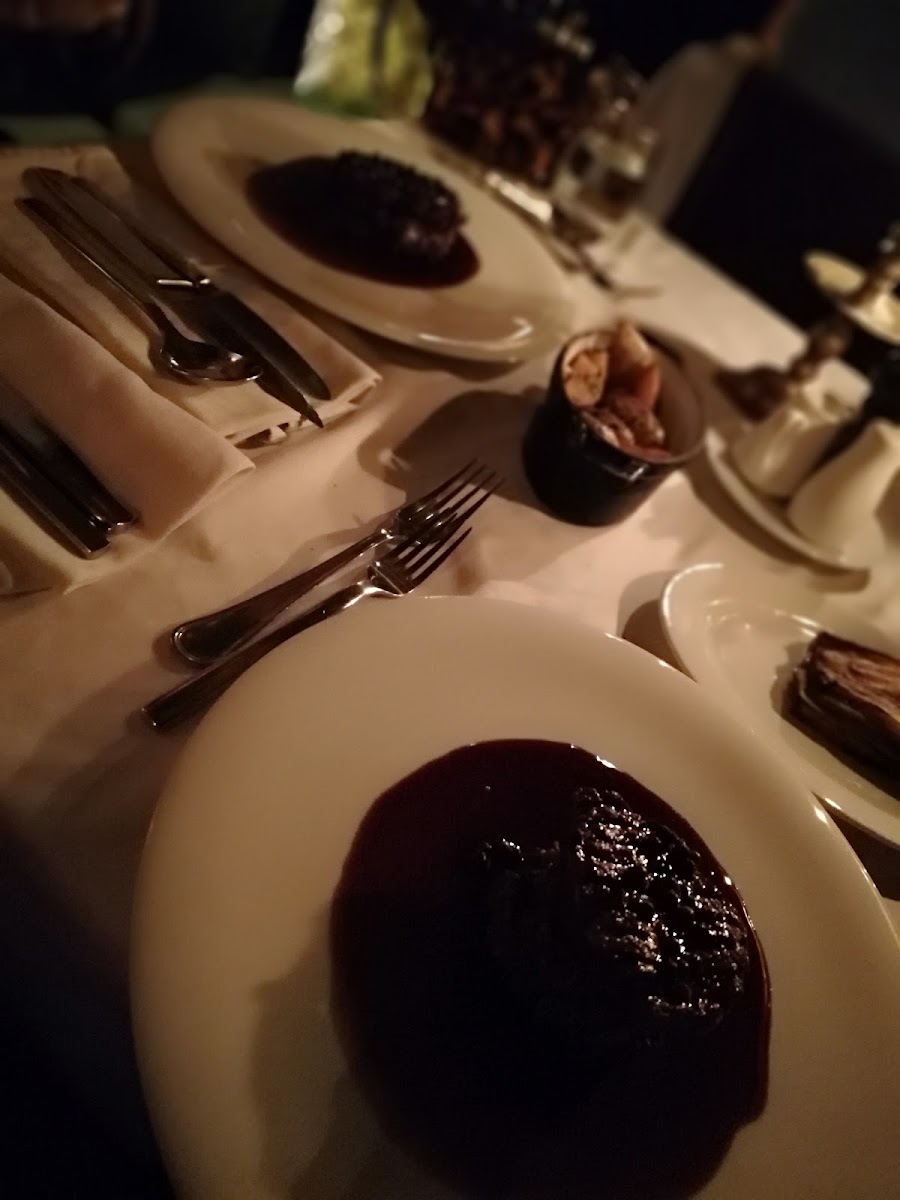
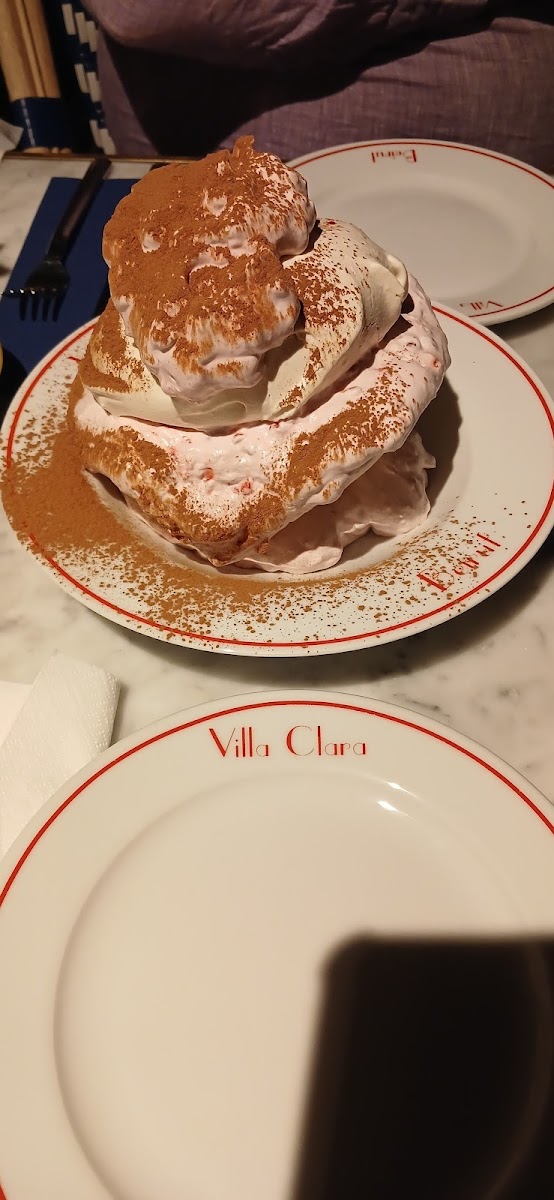
Of course, no restaurant review is complete without dessert. I tried the dark chocolate fondant, which arrived perfectly timed, molten at the center without collapsing into a puddle. Achieving that consistency requires precise baking calibration, often down to the minute. I’ve tested similar recipes in professional kitchens, and it’s surprisingly easy to overbake. Here, the execution was flawless. Paired with a scoop of homemade vanilla ice cream, it balanced richness and lightness in a way that felt indulgent but not overwhelming.
The wine list deserves its own mention. Lebanon’s wine heritage dates back thousands of years, and modern producers like Château Musar have placed Lebanese vintages on the global stage. The staff at Villa Clara clearly understand their cellar. When I asked for a pairing recommendation, they suggested a Lebanese red that complemented the duck beautifully, enhancing the savory notes without overpowering the dish. That level of thoughtful guidance elevates the overall dining experience.
Reviews from both local diners and international visitors consistently praise the attentive service. From my perspective, the professionalism stood out. Plates were presented with care, water glasses never sat empty, and yet nothing felt intrusive. In hospitality training, this balance is often described as anticipatory service-the ability to respond to guests’ needs before they voice them. It’s subtle, but it makes a significant difference.
Location-wise, being on Said Akel places Villa Clara right in one of Beirut’s most vibrant districts. After dinner, stepping back into the city’s nightlife creates a seamless evening plan. Whether you’re a visitor exploring Lebanon for the first time or a resident seeking a refined escape, the setting works in your favor.
There are a few limitations to keep in mind. The restaurant operates with a relatively small dining area, so reservations are highly recommended, especially on weekends. Pricing also reflects its fine-dining positioning. However, when you consider the craftsmanship, ingredient quality, and overall atmosphere, the value aligns with the experience offered.
In a city known for its dynamic food scene-where traditional mezze spots sit alongside modern bistros-Villa Clara carves out its own identity. It’s not trying to be trendy or overly experimental. Instead, it focuses on refined simplicity, careful execution, and genuine hospitality. And in Beirut, where culinary standards are already high, that quiet confidence is exactly what sets it apart.